Thinking about Salesforce CRM pricing? You’re not alone. With its powerful tools and global reputation, Salesforce dominates the CRM market—but understanding its costs can feel like decoding a secret language. Let’s break it down in plain English.
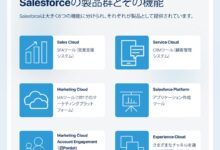
Salesforce CRM Pricing: The Big Picture

Salesforce CRM pricing isn’t a one-size-fits-all model. It’s a layered ecosystem designed to scale with businesses of all sizes—from startups to Fortune 500 companies. Unlike many competitors that offer flat-rate subscriptions, Salesforce structures its pricing around user licenses, feature tiers, add-ons, and implementation services. This flexibility is powerful, but it also means costs can vary wildly—from $25 per user per month to over $300.
According to Salesforce’s official pricing page, the platform offers several editions tailored to different business needs. But what you see on the surface is often just the starting point. Hidden costs like training, customization, and third-party integrations can significantly increase your total investment.
Why Salesforce Doesn’t List Full Prices Publicly
One of the most frustrating aspects of Salesforce CRM pricing is the lack of transparent, upfront pricing. You won’t find a complete price list on their website—only starting rates. This is by design. Salesforce uses a consultative sales model, meaning you must contact a sales representative to get a customized quote.
This approach allows Salesforce to upsell based on your specific needs, but it also makes comparison shopping difficult. As noted by Gartner Peer Insights, many customers report being surprised by additional fees after signing contracts.
The Real Cost Drivers in Salesforce CRM Pricing
Understanding what drives Salesforce CRM pricing is crucial. The base license fee is just the tip of the iceberg. Key cost drivers include:
User Licenses: Different editions offer varying levels of access and functionality.Cloud Editions: From Essentials to Unlimited, each tier unlocks more features.Add-Ons: Marketing Cloud, Service Cloud, and Einstein AI come at extra costs.Implementation: Setup, data migration, and integration with existing systems.Customization & Development: Building custom apps or workflows via Salesforce Platform.Support & Training: Ongoing user education and technical assistance.”The sticker price of Salesforce is rarely the final price.Hidden costs can double your initial budget if you’re not careful.” — CRM Industry Analyst, Forrester ResearchBreaking Down Salesforce CRM Pricing TiersTo make sense of Salesforce CRM pricing, you need to understand the core editions..
Each tier builds on the previous one, adding advanced features and capabilities.Let’s explore the most common options available as of 2024..
Salesforce Essentials: Entry-Level for Small Businesses
Salesforce Essentials is the most affordable entry point, designed for small teams with up to 10 users. Priced at $25 per user per month (billed annually), it includes basic CRM functionality like contact management, lead tracking, and email integration.
While it’s a great starting point, Essentials lacks advanced automation, reporting, and customization. It’s ideal for startups or solopreneurs who need a simple CRM but may quickly outgrow it as their business scales.
More details can be found on Salesforce’s Essentials pricing page.
Salesforce Professional: The Most Popular Mid-Tier Option
Priced at $80 per user per month, Salesforce Professional is the go-to choice for growing businesses. It includes workflow automation, customizable reports, web-to-lead forms, and integration with Microsoft Outlook.
This edition supports role-based access, territory management, and basic forecasting—making it suitable for sales teams that need more control than Essentials provides. However, it still lacks some advanced development tools and AI features available in higher tiers.
Professional is often seen as the sweet spot between cost and functionality, especially for companies with 10–100 employees.
Salesforce CRM pricing – Salesforce CRM pricing menjadi aspek penting yang dibahas di sini.
Salesforce Enterprise: For Complex Sales Operations
At $165 per user per month, Salesforce Enterprise unlocks full customization capabilities. This includes the ability to create custom apps, use the Salesforce API, and implement advanced security controls.
Enterprise is ideal for organizations with complex sales processes, multiple departments, or those planning to build custom solutions on the Salesforce platform. It also supports sandbox environments for testing changes before deployment.
However, this flexibility comes at a cost—both financially and operationally. Enterprise requires more IT involvement and often needs third-party consultants for setup and maintenance.
Salesforce Unlimited: Premium Features for Large Enterprises
Priced at $330 per user per month, Salesforce Unlimited is the most feature-rich edition. It includes everything in Enterprise plus 24/7 phone support, additional storage, and access to premium consulting services.
This tier is designed for large enterprises with mission-critical CRM needs. It offers enhanced automation, advanced analytics, and priority support—making it ideal for global companies with high-volume operations.
Unlimited also includes access to Salesforce’s Innovation Cloud and more frequent product updates. But for most mid-sized businesses, it’s overkill and often unnecessarily expensive.
Salesforce CRM Pricing for Service Cloud
Service Cloud is one of Salesforce’s most popular add-ons, extending CRM functionality to customer service teams. Its pricing is separate from Sales Cloud and varies by edition.
Service Cloud Essentials: Affordable Support for Small Teams
Priced at $25 per user per month, Service Cloud Essentials offers basic case management, knowledge base access, and email-to-case functionality. It’s suitable for small businesses looking to improve customer support without a major investment.
However, it lacks advanced features like omnichannel routing or AI-powered chatbots. As with Sales Cloud Essentials, this tier is best for companies just starting their service automation journey.
Service Cloud Professional and Enterprise: Scaling Customer Support
Service Cloud Professional costs $100 per user per month and includes omnichannel routing, macros, and SLA management. It integrates seamlessly with Sales Cloud and provides a unified view of customer interactions.
Service Cloud Enterprise, priced at $150 per user per month, adds custom objects, API access, and sandbox environments. This tier is ideal for companies with complex support workflows or those integrating with external systems like ERP or billing platforms.
For organizations using AI-driven support, Einstein Bots and Einstein Case Routing are available as add-ons, typically costing an additional $25–$50 per user per month.
“Service Cloud transforms how companies engage with customers—but only if implemented correctly. Poor setup can lead to inefficiencies despite high costs.” — Customer Experience Consultant, Deloitte
Salesforce Marketing Cloud Pricing: Beyond Basic CRM
While often grouped under the Salesforce umbrella, Marketing Cloud operates on a completely different pricing model. It’s not sold per user but rather based on data volume, email sends, and feature usage.
Marketing Cloud pricing starts at around $1,250 per month for the basic Email Studio, but full-suite access (including Journey Builder, Advertising Studio, and Social Studio) can exceed $25,000 per month for large enterprises.
Salesforce CRM pricing – Salesforce CRM pricing menjadi aspek penting yang dibahas di sini.
Marketing Cloud Components and Their Costs
Marketing Cloud is modular, allowing businesses to purchase only the tools they need. Key components include:
- Email Studio: $1,250+/month – Core email marketing platform.
- Journey Builder: $15,000+/year – Advanced automation for customer journeys.
- Mobile Studio: $10,000+/year – SMS and push notification campaigns.
- Social Studio: $20,000+/year – Social media monitoring and publishing.
- Advertising Studio: $15,000+/year – Targeted ad campaigns across platforms.
Unlike Sales Cloud, Marketing Cloud pricing is heavily influenced by the number of contacts in your database and the volume of messages sent. A company with 1 million subscribers will pay significantly more than one with 10,000.
Is Marketing Cloud Worth the Investment?
For enterprises running large-scale digital marketing campaigns, Marketing Cloud offers unparalleled integration with Sales and Service Clouds. It enables true 360-degree customer views and personalized engagement at scale.
However, for small to mid-sized businesses, the cost and complexity often outweigh the benefits. Many find that simpler tools like Mailchimp or HubSpot offer better value for their needs.
A detailed breakdown is available on Salesforce’s Marketing Cloud pricing page.
Salesforce CRM Pricing Add-Ons and Hidden Fees
One of the biggest challenges with Salesforce CRM pricing is the abundance of add-ons and hidden fees. What starts as a $80/user/month plan can quickly balloon to $200+ when you factor in essential extras.
Common Add-Ons That Increase Costs
Many features considered standard in other CRMs are premium add-ons in Salesforce. These include:
- Einstein Analytics: AI-powered insights, starting at $75/user/month.
- Field Service Lightning: Scheduling and dispatch for field teams, $150+/user/month.
- Community Cloud: Customer or partner portals, $100+/user/month.
- CPQ (Configure, Price, Quote): Automated quoting, $75+/user/month.
- MuleSoft: Integration platform, often $10,000+/year.
These tools are powerful, but they’re rarely included in base packages. Businesses often discover they need them only after implementation begins.
Implementation and Consulting Costs
Another major cost driver is implementation. Salesforce itself doesn’t provide free setup—most companies hire certified partners or consultants. Implementation fees can range from $10,000 for small deployments to over $500,000 for enterprise rollouts.
According to Capterra, the average small business spends between $15,000 and $50,000 on initial setup, including data migration, training, and customization.
These costs are often overlooked in early budgeting, leading to financial strain down the line.
“We budgeted for licenses but forgot about implementation. It cost us three times more than expected.” — Marketing Director, Mid-Sized Tech Firm
How to Reduce Salesforce CRM Pricing Costs
While Salesforce isn’t cheap, there are smart ways to reduce your total cost of ownership without sacrificing functionality.
Negotiate Your Contract Strategically
Never accept the first quote. Salesforce sales reps have significant room to negotiate, especially for multi-year contracts or bulk user licenses. Discounts of 10–30% are common if you commit to 2–3 years.
Ask for bundled pricing, waived setup fees, or free training sessions. Also, consider starting with a lower-tier edition and upgrading later as your needs grow.
Salesforce CRM pricing – Salesforce CRM pricing menjadi aspek penting yang dibahas di sini.
Optimize User Licenses
Not every employee needs a full Salesforce license. Use “Chatter Only” or “Light” licenses for users who only need read-only access or basic collaboration. These can cost as little as $5–$10 per user per month.
Regularly audit your user base to deactivate inactive accounts and reclaim licenses. This simple step can save thousands annually.
Leverage the Salesforce AppExchange
Instead of building custom solutions from scratch, explore the Salesforce AppExchange, a marketplace with over 5,000 pre-built apps. Many are free or low-cost and can extend functionality without expensive development.
For example, tools like FormAssembly or DocuSign for Salesforce can be added for under $20/user/month, saving time and development costs.
Salesforce CRM Pricing vs. Competitors
How does Salesforce CRM pricing stack up against rivals like HubSpot, Zoho, and Microsoft Dynamics? Let’s compare.
HubSpot CRM: Free Tier vs. Salesforce’s Entry Cost
HubSpot offers a robust free CRM with no user limits, making it a strong alternative for startups. Its paid tiers start at $50/month for the Starter plan, which includes marketing, sales, and service tools.
While not as powerful as Salesforce Enterprise, HubSpot provides excellent value for small to mid-sized businesses. It’s also easier to implement and requires less technical expertise.
Zoho CRM: Budget-Friendly Alternative
Zoho CRM starts at just $14/user/month (billed annually) for its Standard plan. Even the top-tier Enterprise plan costs only $52/user/month—less than a third of Salesforce Professional.
Zoho offers strong automation, AI features (Zia), and integration capabilities. For businesses on a tight budget, it’s a compelling option, though it lacks Salesforce’s global ecosystem and brand recognition.
More info at Zoho CRM pricing.
Microsoft Dynamics 365: Enterprise Competitor
Priced at $95/user/month for Sales Professional, Dynamics 365 is closer to Salesforce in both cost and complexity. It integrates seamlessly with Microsoft 365, making it ideal for organizations already in the Microsoft ecosystem.
While it offers strong AI and analytics, its user interface is often considered less intuitive than Salesforce’s. However, for companies using Outlook, Teams, and Azure, the integration benefits can justify the cost.
“Choosing between Salesforce and Dynamics often comes down to ecosystem alignment, not just price.” — IT Director, Global Manufacturing Firm
Real-World Salesforce CRM Pricing Examples
To illustrate how Salesforce CRM pricing works in practice, let’s look at three real-world scenarios.
Startup with 10 Users: Essentials Plan
A tech startup with 10 sales reps opts for Salesforce Essentials at $25/user/month. Annual cost: $3,000. Add $5,000 for implementation and training. Total Year 1 cost: $8,000.
Salesforce CRM pricing – Salesforce CRM pricing menjadi aspek penting yang dibahas di sini.
This is manageable, but they’ll likely need to upgrade within 12–18 months as their sales process becomes more complex.
Mid-Sized Company with 50 Users: Professional Edition
A 50-person sales team chooses Salesforce Professional at $80/user/month. Annual license cost: $48,000. Add $20,000 for implementation, $10,000 for customization, and $5,000 for training. Total Year 1 cost: $83,000.
They also add Einstein Analytics at $75/user/month, increasing the total to $123,000. This highlights how add-ons can dramatically increase costs.
Large Enterprise with 500 Users: Unlimited + Service Cloud
A multinational corporation with 500 users selects Salesforce Unlimited at $330/user/month. Annual license cost: $1.98 million. Add Service Cloud at $150/user/month: $900,000. Implementation and consulting: $500,000. Custom development: $300,000. Total Year 1 cost: ~$3.68 million.
This level of investment is justified for global operations with complex workflows, but it underscores why proper planning and budgeting are critical.
What is the starting price for Salesforce CRM?
The starting price for Salesforce CRM is $25 per user per month with the Essentials edition. However, most businesses require higher-tier plans or add-ons, making the effective starting cost closer to $80 per user per month.
Is Salesforce CRM worth the cost?
For large enterprises or fast-growing companies needing deep customization and scalability, Salesforce CRM is often worth the investment. For small businesses, simpler and cheaper alternatives like HubSpot or Zoho may offer better value.
Can you negotiate Salesforce CRM pricing?
Yes, Salesforce pricing is highly negotiable. Discounts of 10–30% are common for multi-year contracts or bulk user licenses. Always request a customized quote and ask for waived fees or bundled services.
What are the hidden costs of Salesforce CRM?
Hidden costs include implementation, data migration, training, customization, third-party integrations, and premium add-ons like Einstein AI or CPQ. These can double or even triple the base license cost.
How does Salesforce CRM pricing compare to HubSpot?
Salesforce CRM pricing – Salesforce CRM pricing menjadi aspek penting yang dibahas di sini.
Salesforce starts at $25/user/month, while HubSpot offers a free CRM with paid plans starting at $50/month (not per user). HubSpot is generally more affordable and easier to use, but Salesforce offers greater scalability and customization for large organizations.
Understanding Salesforce CRM pricing requires looking beyond the sticker price. It’s not just about monthly fees—it’s about total cost of ownership, scalability, and long-term value. While Salesforce is undeniably powerful, it’s also complex and expensive. By carefully evaluating your needs, negotiating wisely, and planning for hidden costs, you can make an informed decision that aligns with your business goals. Whether you choose Salesforce or a competitor, the key is to invest in a CRM that grows with you—not one that breaks the bank.
Further Reading:
